Periodontal Treatment for Patients With Dental Anxiety
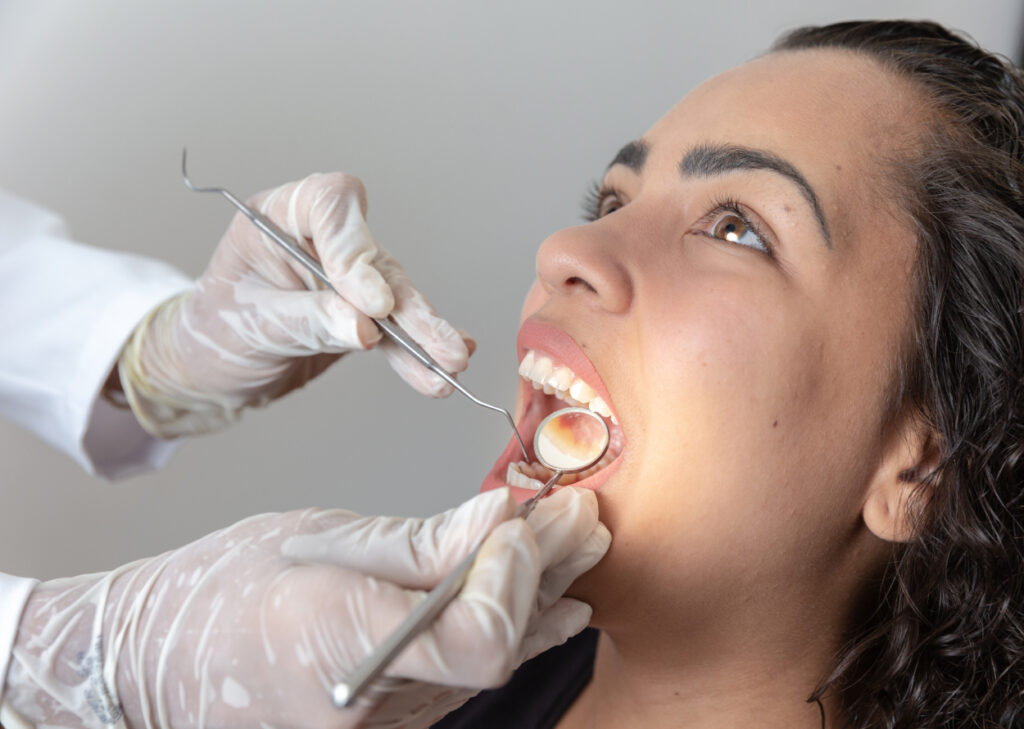
For patients with dental anxiety, gum disease presents a difficult paradox. The condition usually worsens when treatment is delayed, yet fear itself often causes the delay. By the time many anxious patients agree to make an appointment, they are dealing with bleeding gums, persistent bad breath, gum recession, loose teeth, or pain during brushing. They are not simply nervous about a cleaning. They are carrying months, sometimes years, of avoidance, guilt, and physical discomfort into the dental chair.
That emotional burden matters. Periodontal treatment is rarely a one-visit event. It often involves careful examination, deep cleaning below the gumline, follow-up visits, and long-term maintenance. For someone already uneasy about dentistry, the thought of multiple appointments can feel overwhelming. The good news is that clinicians who understand anxiety can adapt care in ways that make treatment far more manageable than patients expect.
The most important shift is this: anxious patients do not need less periodontal care, they need care delivered differently. Pace, communication, pain control, sensory management, and trust-building all affect whether treatment is tolerable and whether the patient returns for maintenance. In practice, those factors are often just as important as the instruments being used.
Why gum treatment triggers so much fear
Dental anxiety is not always about pain. Sometimes it is, especially if a patient has a vivid memory of an injection that hurt or a procedure done before anesthetic had fully taken effect. Just as often, though, the fear is tied to helplessness, embarrassment, choking sensations, noise, shame about oral health, or difficulty coping with closeness and confinement.
Periodontal treatment can activate several of those fears at once. The patient knows the clinician must work below the gumline. They may expect scraping, pressure, water, suction, numbness, or the metallic taste of blood. If they have already noticed loose teeth or severe sensitivity, they may worry that treatment itself will make things worse. Others feel ashamed that their gums have deteriorated and assume they will be judged for not coming in sooner.
That shame is common, and it is clinically relevant. Patients who feel judged tend to withhold information. They may understate their fear, cancel follow-up visits, or agree to treatment they are not emotionally ready to complete. A skilled periodontal team learns quickly that reassurance is not enough. Patients need a sense of control.
What periodontal treatment usually involves
The phrase "periodontal treatment" covers a range of care, from improved home hygiene coaching to non-surgical deep cleaning and, in more advanced cases, surgical intervention. The exact plan depends on the depth of periodontal pockets, the amount of inflammation, the level of bone loss, mobility of the teeth, smoking history, medical conditions such as diabetes, and whether the patient can maintain plaque control at home.
For anxious patients, the first consultation should be more than a data-gathering visit. It is a diagnostic appointment, but it is also a behavioral one. The clinician is evaluating not only the gums, but the patient's threshold for stress, their communication style, their likely triggers, and what kind of support they will need if treatment is going to succeed.
A standard periodontal assessment may include periodontal probing, radiographs, mobility testing, and an examination of bleeding, recession, and plaque retention. Even this first step can be hard for anxious patients. Probing can create pressure and soreness in inflamed tissues, and hearing pocket measurements called out loud can heighten distress. In many practices, a calmer approach helps: explain each part before starting, keep language plain, pause when needed, and avoid dramatic commentary while the patient is still in the chair.
If active periodontal disease is present, non-surgical treatment often begins with scaling and root planing, sometimes called deep cleaning. The goal is to remove plaque, calculus, and bacterial toxins from tooth surfaces below the gumline so the tissues can heal and reattach as much as possible. This is effective care, but it is technique-sensitive and patient-sensitive. Inflamed tissues are tender. Local anesthetic is often needed. More than one appointment may be required. For a fearful patient, each of those realities can sound bigger than it is.
The first conversation often determines the outcome
Many anxious patients decide within the first few minutes whether they will proceed. That decision is not based solely on credentials or technology. It is based on whether they feel heard and whether the dentist or periodontist seems willing to work with them rather than push them through a protocol.
A useful opening question is not "Are you nervous?" Most anxious patients will say they are "a little nervous" even when they are close to panic. More revealing questions are practical. What has been hard for you at past dental visits? Was there a specific experience that made things worse? What part of treatment worries you most, the injection, the sound, the numbness, not being able to swallow, the length of the visit? Those details allow the team to solve real problems rather than offer generic reassurance.
Patients also benefit from direct permission to stop. A clear stop signal, often just raising a hand, changes the emotional tone of the appointment. It tells the patient that they are not trapped. That single agreement can reduce panic more than a dozen comforting phrases.
Pain control is only one part of comfort, but it matters enormously
When clinicians talk about comfort measures, they sometimes focus on atmosphere first. A quiet room and a calm tone are valuable, but if anesthesia is inadequate, none of that matters. Patients with dental anxiety often monitor every sensation closely. Mild pressure that another patient would tolerate easily may be interpreted as a sign that pain is coming. Once that happens, trust erodes fast.
Local anesthetic for periodontal treatment should be approached deliberately. Inflamed tissue can be harder to numb fully, and anxious patients may tense their facial muscles or breathe shallowly, which makes every step feel more intense. Topical anesthetic, slow delivery, buffering in some settings, and simply stating what the patient should expect can help. Telling a patient "you may feel pressure, but I do not want you to feel sharpness" gives them a clear reference point. It is more useful than saying "this won't hurt."
In real practice, the difference between a tolerable deep cleaning visit and a failed one often comes down to whether the clinician stops at the first sign that anesthesia is incomplete. Pushing through because "we're almost done" is short-sighted. The patient remembers the pain far longer than the convenience of finishing that quadrant.
Sedation can also be appropriate. Nitrous oxide is often a good fit for mild to moderate anxiety because it reduces apprehension quickly and wears off fast. Oral sedation may help patients who begin to panic before they even arrive. For severe dental phobia, IV sedation can be transformative, though it is not necessary or appropriate in every case. Sedation should support periodontal care, not replace communication or informed consent. Patients still need to understand the diagnosis, the treatment goals, and the importance of maintenance afterward.
A slower pace is not inefficiency
There is a temptation in busy schedules to view https://telegra.ph/Signs-You-May-Need-Periodontal-Treatment-Right-Away-10-30 anxious patients as disruptions. That is a mistake. They are not difficult because they need more time. They need more time because fear changes physiology and attention. Their muscles tense, their breathing shifts, saliva control changes, and they tire quickly. A forty-five minute session that feels routine to a clinician can feel endless to someone in a hypervigilant state.
Shorter visits often work better, especially early in treatment. Completing one area successfully can build confidence for the next appointment. Some patients do fine with a full-mouth plan divided into quadrants. Others respond better when the first visit is intentionally conservative, perhaps an examination and one treated area rather than a long, ambitious session. That is not lowering the standard of care. It is sequencing care in a way the patient can complete.
One practical insight from treating anxious adults is that predictability matters as much as brevity. A patient who knows a visit will last about forty minutes, include local anesthetic, involve one side only, and allow breaks every ten minutes is often calmer than a patient told vaguely that treatment will be "quick." Specificity reduces the mental space where catastrophic expectations grow.
Techniques that genuinely help anxious periodontal patients
Some accommodations are simple but highly effective when used thoughtfully:
- a stop signal agreed upon before treatment begins
- shorter appointments with clear time estimates
- noise management, such as headphones or quieter ultrasonic settings when possible
- breaks for rinsing, swallowing, and resetting
- sedation options matched to the patient's anxiety level and medical history
None of these measures are cosmetic. They directly affect treatment completion. A patient who can tolerate scaling and root planing because they know they can pause is more likely to return for reevaluation. A patient who understands that headphones are allowed may be able to manage ultrasonic instrumentation that would otherwise be intolerable.
Not every accommodation suits every person. Some anxious patients want detailed explanations before each step. Others become more nervous if they hear too much technical information. Some like to watch what is happening on a monitor. Others need visual input reduced. The point is not to follow a script, but to tailor the sensory and communication environment.
Deep cleaning and the fear that follows it
Many patients with dental anxiety are not only afraid of the procedure itself. They are afraid of what they will feel afterward. They may have heard stories that deep cleaning is brutal, or they may assume their teeth will be loose, unusable, or painful for weeks.
Honest guidance helps here. After scaling and root planing, some tenderness, temperature sensitivity, minor bleeding, and a different sensation around the gums are normal, especially in areas that were heavily inflamed. Teeth may feel longer because swollen gum tissue has shrunk and the true contours are now visible. That can be emotionally startling if no one mentioned it beforehand.
At the same time, recovery should not be dramatized. Most patients can eat and function normally with minor adjustments, and discomfort is usually manageable with standard recommendations from the treating clinician. What matters is setting expectations precisely enough that the patient does not interpret normal healing as a sign of harm.
This is one of those moments where experience shows. If a patient is anxious, the post-treatment instructions should not sound like a legal disclaimer. They should sound like calm clinical coaching. Explain what is common, what is less common, and what should prompt a call. The patient who knows what to expect sleeps better and is less likely to cancel the next visit.
When surgery is needed, fear has to be addressed head-on
Some periodontal cases go beyond non-surgical care. Persistent deep pockets, furcation involvement, advanced bone loss, or the need for regenerative procedures may require referral to a periodontist or surgical treatment. This can reignite fear, even in patients who managed initial therapy well.
Surgery often sounds more alarming than it feels in practice, but the language around it matters. Patients hear "flap surgery," "bone graft," or "guided tissue regeneration" and imagine trauma. The clinician's job is to translate those terms into understandable goals. We need better access to the root surface. We need to reduce pockets that are not responding. We are trying to preserve this tooth. We are rebuilding support where possible.
For an anxious patient, surgical consent discussions should be thorough but calm. Rushed explanations create suspicion. Overly technical explanations create overwhelm. The best conversations are specific and grounded: why the procedure is being recommended, what alternatives exist, how healing typically progresses, and how anxiety will be managed during the appointment.
The maintenance phase is where long-term success is won or lost
Active periodontal treatment is only the beginning. Periodontal disease is a chronic inflammatory condition influenced by bacterial biofilm, host response, and habits over time. Once the gums have improved, maintenance becomes the real test. This is where anxious patients are at particular risk, because the urgency fades and avoidance can slowly return.
Patients often assume that if their gums stop bleeding or their mouth feels better, they are "done." Clinically, that is rarely the case. Supportive periodontal therapy, often every three to four months at first, allows the team to monitor pocket changes, remove deposits before inflammation escalates, and reinforce home care in a way that matches the patient's abilities.
This stage should not feel punitive. Too many patients hear maintenance phrased like a warning, as if they are one missed appointment away from failure. A more effective approach is to frame it as disease control. We have reduced the infection and inflammation. Now we are trying to keep you stable. That is a very different message, and patients tend to respond better to it.
Home care advice must be realistic, not idealized
Anxious patients often leave dental visits with ambitious instructions they cannot sustain. Floss perfectly every night. Use interdental brushes in every space. Rinse with a prescribed mouthwash twice daily. Brush for two full minutes with ideal angulation and pressure. For some people, that is manageable. For others, especially those whose anxiety is linked to oral care, it becomes one more setup for guilt.
Better advice is targeted. If the patient is not brushing effectively along the gumline, fix that first. If bleeding discourages them from cleaning between the teeth, demonstrate a gentler method and explain that controlled bleeding from inflamed tissues often improves with consistent plaque removal. If dexterity is poor, power brushes or easier interdental aids may be more useful than insisting on one "best" method.
A practical home plan often works better when it is reduced to a few actions the patient can actually perform:
- brush thoroughly at the gumline twice a day
- clean between the teeth with the aid that fits the spaces comfortably
- expect some early bleeding if the gums are inflamed, but track whether it improves
- contact the office if swelling, pain, or bleeding sharply worsens rather than assuming the treatment failed
These are simple steps, but they are achievable. Adherence improves when the patient feels competent rather than corrected.
Special situations that require extra judgment
Not all anxious periodontal patients fit the same pattern. A patient with generalized anxiety may need calm pacing and predictable visits. A patient with trauma history may need explicit consent before recline, touch, or instrument changes. Someone with a strong gag reflex may do better with positioning adjustments, high-volume suction, and shorter intervals of work. A patient with diabetes and active periodontitis may need more urgent treatment, yet still require the pace to be slowed so they can get through it.
Smoking adds another layer. Smokers often show less obvious gingival bleeding despite significant disease, and healing can be less favorable. Anxiety management does not change the biology, but it changes whether the patient stays in care long enough to improve their outlook. The same is true for patients taking medications that reduce salivary flow or increase gingival enlargement. Clinical outcomes depend on both technical treatment and the patient's willingness to continue.
Financial anxiety also deserves acknowledgment. Periodontal treatment can be costly, especially when multiple visits or specialist care are involved. For some patients, fear about cost amplifies fear about treatment. Transparent sequencing helps. If disease control can begin with the most urgent areas while a larger plan is discussed, patients are more likely to engage. Vague or all-or-nothing recommendations often push them away.
What patients usually remember most
Long after details about pocket depths and calculus removal fade, anxious patients remember how they were treated. They remember whether the team noticed they were gripping the chair. They remember whether someone paused when tears came unexpectedly. They remember whether the numbness wore off exactly as explained. They remember whether the second visit felt easier because the first was handled well.
That memory influences maintenance attendance more than many clinicians realize. Trust is cumulative. One respectful appointment can reverse years of avoidance. One rushed or minimizing interaction can confirm every fear the patient brought in.
Periodontal treatment for patients with dental anxiety succeeds when clinicians take the disease seriously without overlooking the person carrying it. Gum disease is biological, but treatment acceptance is emotional and behavioral as well. Once that is understood, care becomes more effective. Appointments get completed. Healing improves. Maintenance stops feeling like a punishment and starts feeling like stability.
For anxious patients, the goal is not bravery in the abstract. It is a treatment process they can actually tolerate, repeat, and trust. That is what protects the gums, and in many cases, that is what saves the teeth.
Avra Dental
Address: 1708 S Victoria Ave B, Ventura, CA 93003
Phone number: (805) 941-1001
FAQ About Periodontal Treatment
Can a dentist get rid of periodontal disease?
A dentist or gum specialist (periodontist) cannot fully cure or reverse advanced periodontal disease (periodontitis), but they can successfully stop its progression and manage the infection.
Is periodontitis very serious?
Yes, periodontitis is a very serious, advanced form of gum disease that destroys the bone and tissues supporting your teeth.
How is stage 2 periodontal disease treated?
Stage 2 periodontal disease (early to moderate periodontitis) is primarily treated with non-surgical deep cleaning procedures like scaling and root planing to remove bacteria and tartar below the gumline.